As we delve into the realm of indoor lighting, it is essential to explore what are the latest trends in indoor lighting. The global lighting market is expected to reach $157 billion by 2027, with a significant portion attributed to innovative indoor solutions. According to recent industry reports, smart lighting technology is gaining traction. This shift is driven by the rising demand for energy efficiency and user-controlled environments.
In recent years, indoor lighting design has evolved considerably. A focus on sustainability and well-being is evident. Current trends feature LED solutions that not only reduce energy consumption but also enhance aesthetic appeal. Reports indicate that over 60% of consumers prefer intelligent lighting systems that adapt to their lifestyle. However, the challenge remains for manufacturers to stay ahead of these rapidly changing preferences.
Exploring these trends reveals a mixture of advancement and opportunity. The ongoing emergence of biophilic design speaks to our desire for connection with nature indoors. Yet, there is an ongoing need for brands to ensure their products are not just stylish but also functional. Understanding these dynamics is crucial for anyone looking to navigate the indoor lighting landscape effectively.
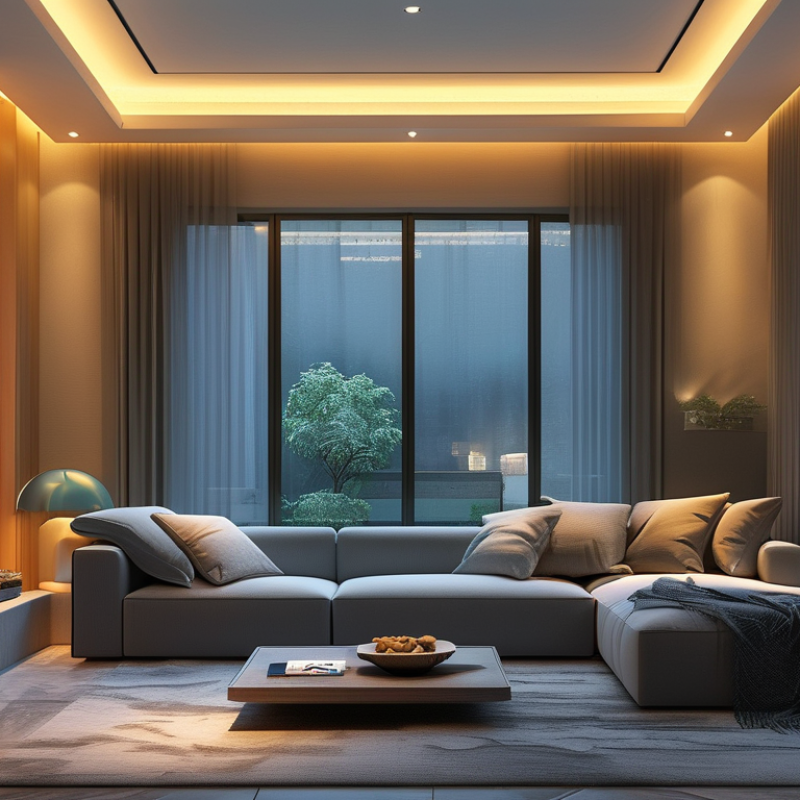
Emerging LED technologies are transforming indoor lighting in China. These innovations are characterized by their energy efficiency and longevity. Modern LEDs can last up to 50,000 hours, significantly reducing replacement costs. Moreover, they consume less power, which leads to lower energy bills. This advancement is crucial as China moves towards sustainable living.
Smart lighting is another trend. Many indoor spaces are adopting sensors and connectivity features. This allows users to control lighting via mobile apps or voice commands. For instance, adjusting brightness and color temperature based on the time of day. However, challenges remain in ensuring compatibility among different smart devices. Users often find themselves dealing with multiple apps, leading to frustration.
Color tuning is gaining traction. This allows indoor environments to change based on mood or activity. Workspaces can become brighter during the day and softer in the evening. Yet, the technology is still evolving, and not all users grasp the benefits. As with any emerging technology, education is vital to optimize usage. In the fast-paced world of indoor lighting, it’s essential to keep an eye on evolving trends while being mindful of practical challenges.
Sustainable lighting solutions are gaining traction in the indoor lighting market. Eco-friendly materials are at the forefront of this movement. According to a recent industry report, the demand for sustainable lighting solutions has increased by 30% over the last two years. Consumers are now more aware of the environmental impact of their choices.
Biodegradable materials and recycled components are popular in new designs. For instance, LED technology not only reduces energy consumption by up to 80% but also lasts 25 times longer than traditional bulbs. This shift towards sustainability means more brands are exploring innovative natural materials. The challenge lies in balancing aesthetics with functionality. Some products may sacrifice design for sustainability, raising questions about consumer acceptance.
Remember to choose certified eco-friendly products. Look for labels indicating energy efficiency. Consider the lifecycle of materials before making a purchase. Even small choices can reduce carbon footprints over time. Assess your lighting needs critically. Not every eco-friendly option works for every space. Sustainable lighting is about ensuring both beauty and responsibility.
Smart home integration is revolutionizing indoor lighting trends in China. With the rise of IoT devices, consumers now seek seamless connectivity. Voice-activated controls allow users to manage lighting with simple commands. This convenience drives homeowners to invest in smart lighting solutions. The ability to adjust settings remotely adds a layer of flexibility.
However, integrating smart technologies brings challenges. Many users struggle with compatibility issues among devices. Not all smart lights can connect to every hub available. This can lead to frustration and underutilization of products. Furthermore, concerns about data security arise with connected systems. Consumers must balance convenience with privacy risks.
The aesthetic appeal of smart lighting also plays a role. Customizable colors and brightness enhance the mood of any space. Yet, achieving the perfect ambiance can be complicated. Users often find themselves experimenting with various settings. Striking a balance between functionality and style is essential. Overall, the integration of smart technology in indoor lighting is a trend that continues to evolve.
Lighting design is more than functionality; it's about creating an atmosphere that resonates with contemporary aesthetics. Today, homeowners are increasingly drawn to minimalistic and sleek designs. Clean lines and organic shapes enhance modern spaces. Equally important is the choice of materials. Metal, glass, and even natural elements can profoundly influence the overall feel.
When selecting lighting fixtures, consider how they blend with your room's decor. Warm lighting creates a cozy ambiance, while cooler tones impart vibrancy. Aim for balance—a single bold fixture can stand out without overwhelming the space. Layering your lighting with ambient, task, and accent options adds depth. You might find that a chandelier in the dining room or pendant lights above a kitchen island not only illuminate but also serve as conversation starters.
For a more personal touch, think about symmetry and placement. Fixtures can highlight architectural nuances or create focal points. Experimenting with heights and arrangements can lead to unique compositions. Always remember, lighting is not just about brightness; it shapes mood and experience. Each choice reflects your style and aspirations. Reflect on what resonates with you; sometimes less is indeed more.
China's indoor lighting industry is poised for significant growth. With urbanization rising, the demand for stylish and functional lighting solutions is increasing. Projections indicate a steady expansion in this sector over the next few years. Many consumers are opting for energy-efficient products, reflecting a growing awareness of sustainability. This trend showcases a shift towards smarter choices in home and office environments.
The market dynamics are changing. Traditional lighting fixtures are now being replaced by innovative designs. Smart lighting technology is gaining traction, making homes more adaptable. Yet, there are challenges to consider. The competition among manufacturers is fierce. It can lead to quality discrepancies, making it essential for buyers to research before purchasing. Consumer preferences fluctuate rapidly, posing a dilemma for producers.
Design trends are evolving too. Minimalism is popular, but some still favor bold statement pieces. This diversity shows that one size does not fit all. The complexity lies in balancing creativity and functionality. Companies must stay agile to meet consumer expectations. Embracing the shifting landscape will be crucial for success in China’s indoor lighting market.
: Sustainable lighting solutions use eco-friendly materials and energy-efficient technologies. They reduce environmental impact and carbon footprints.
More consumers are aware of environmental issues. This awareness has increased demand for sustainable products by 30% recently.
Eco-friendly products often use biodegradable materials. They also consume less energy and last longer than traditional options.
Consider how well fixtures blend with your room's decor. Focus on materials, light color, and layering options for ambiance.
Yes, some designs may prioritize looks over functionality. Striking a balance can enhance both aesthetics and usability.
Urbanization increases demand for functional and stylish lighting solutions. This growth drives innovation and consumer interest in smart technologies.
Competition can lead to quality issues. Buyers should research products thoroughly before making decisions.
Experiment with fixture heights and placements. Use symmetry and layer different light types for a more personalized feel.
Minimalistic styles dominate, though bold statement pieces remain popular. Such diversity caters to varying consumer preferences.
Not every eco-friendly option suits every space. Critical assessment ensures that choices enhance both beauty and responsibility.
The article "China Top 10 Indoor Lighting Trends You Need to Know" explores what are the latest trends in indoor lighting, focusing on several key areas. Emerging LED technologies are at the forefront, revolutionizing not only energy efficiency but also light quality. Meanwhile, sustainable lighting solutions are gaining prominence, with eco-friendly materials being incorporated into designs to meet consumer demand for environmentally responsible products.
Additionally, the integration of smart home technology is reshaping indoor lighting trends, allowing for enhanced control and customization. The aesthetics of contemporary design also play a significant role, influencing lighting choices that reflect modern tastes. Finally, a review of market growth reveals promising projections for China's indoor lighting industry, highlighting a dynamic and evolving landscape in lighting solutions.

VELORIQ Lighting