Choosing the best commercial indoor lighting is crucial for any business. It affects productivity, safety, and ambiance. Yet, many struggle with how to select commercial indoor lighting that fits their needs. A well-designed lighting plan enhances employee performance and creates a welcoming environment.
When considering lighting options, factors like brightness and color temperature matter. However, many overlook energy efficiency and maintenance costs. Businesses often rush into decisions, leading to regrets later on. Effective lighting should balance quality and cost, ensuring both aesthetic appeal and functionality.
In exploring how to select commercial indoor lighting, it’s vital to assess your space. Each area has unique requirements. Take note of how much natural light is available. Reflecting on your specific needs is key to making informed choices. This process can be complex and may require professional guidance. Don’t hesitate to seek expert advice.
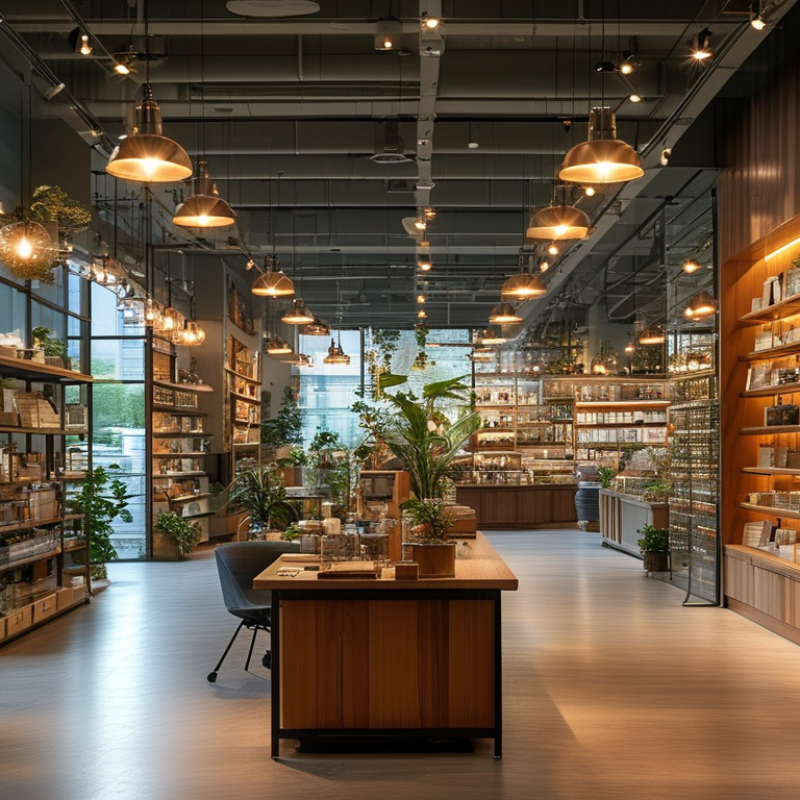
Understanding Commercial Indoor Lighting Basics
Understanding commercial indoor lighting is essential for any business. Effective lighting not only enhances aesthetics but also boosts productivity. Research shows that 68% of employees report increased work performance under improved lighting conditions. The right lighting design can impact mood and efficiency significantly.
Key factors in selecting lighting include color temperature, intensity, and energy efficiency. For example, a color temperature of 4000K creates a neutral white light, ideal for office settings. In contrast, warmer lights around 3000K are better for hospitality environments. Selecting the wrong lighting can lead to discomfort and even headaches.
Energy efficiency is crucial. According to the U.S. Department of Energy, commercial buildings consume 20% of the nation’s total energy. By opting for LED fixtures, businesses can reduce energy use by as much as 75%. However, transitioning to modern lighting solutions may require initial investment and careful planning. Not addressing these aspects can lead to long-term cost implications and reduced employee satisfaction.
Identifying Your Specific Lighting Needs and Requirements
When selecting commercial indoor lighting, understanding specific needs is crucial. Different environments require different lighting solutions. For instance, a study by the Illuminating Engineering Society indicates that proper lighting can improve productivity by up to 20%. Identifying the purpose of the space guides your choice of fixtures and intensity.
Consider the activities taking place. Offices require bright, even lighting to reduce eye strain. Areas like warehouses may need high-intensity lights for safety. Research shows that employees in well-lit environments report higher job satisfaction. It’s also vital to assess color temperature. Warmer tones can create a welcoming atmosphere in retail spaces, while cooler tones may be better suited for workspaces.
Not all available options will meet your needs perfectly. It’s important to reflect on past lighting choices. Many businesses have outdated lighting that increases energy costs. Transitioning to LED options can reduce energy consumption by 75%, according to the U.S. Department of Energy. Yet, initial investment may seem high. Balancing cost, efficiency, and aesthetic appeal is essential for making informed decisions.
Indoor Lighting Requirements by Room Type
Evaluating Different Types of Commercial Lighting Solutions
When evaluating different types of commercial lighting solutions, it's crucial to analyze how various options affect productivity and energy costs. According to the U.S. Department of Energy, lighting can account for about 20% of a commercial building's total energy use. Thus, selecting the appropriate lighting not only enhances the work environment but can lead to significant cost savings.
LED lighting has gained prominence due to its energy efficiency. Research indicates that LED lights use up to 75% less energy than traditional incandescent options. However, initial setup costs may deter some businesses. This creates a dilemma: invest more upfront for long-term benefits or stick with cheaper alternatives.
Natural light is another aspect worth considering. Studies show that exposure to daylight can enhance employee mood and productivity. Yet, many offices lack sufficient windows. This can lead to over-reliance on artificial lighting. Striking a balance between different lighting sources can be challenging. Each type of lighting, whether LED or traditional fluorescent, has its pros and cons, further complicating the decision-making process.
How to Select the Best Commercial Indoor Lighting For Your Needs - Evaluating Different Types of Commercial Lighting Solutions
| Type of Lighting |
Best Use Cases |
Energy Efficiency |
Lifespan (Hours) |
Initial Cost ($) |
| LED |
Offices, Retail, Warehouses |
Very High |
25,000 - 50,000 |
15 - 30 |
| Fluorescent |
Offices, Schools |
Medium |
7,000 - 15,000 |
5 - 20 |
| Incandescent |
Restaurants, Homes |
Low |
1,000 - 2,000 |
1 - 5 |
| Halogen |
Display Lighting, Accent Lighting |
Medium |
2,000 - 4,000 |
3 - 10 |
| Smart Lighting |
Offices, Smart Homes |
High |
20,000 - 50,000 |
30 - 150 |
Assessing Energy Efficiency and Cost Considerations
When selecting commercial indoor lighting, energy efficiency and cost are crucial. Assess your current energy bills to estimate potential savings. Switching to LED lighting can significantly lower energy consumption. These bulbs use up to 75% less energy compared to traditional options. They also last longer, reducing replacement costs over time.
Consider using smart lighting controls. Dimmers and motion sensors can enhance convenience and further reduce energy use. For spaces that are rarely used, automated systems can ensure lights are off when not needed. However, be mindful of the initial investment for these technologies.
Think about the overall design of the space. The wrong lighting can lead to wasted energy. Overhead lights in large, open areas may not provide even coverage. Evaluate areas that need focused lighting versus general illumination.
Install task lighting in work zones to improve visibility. It can help reduce the necessity for excessive ambient lighting. Regular evaluation of your lighting system is essential. Monitor both performance and costs. Adjust as necessary to maintain efficiency.
Choosing the Right Fixtures and Controls for Your Space
Selecting the right fixtures and controls for commercial indoor lighting is crucial. Proper lighting enhances productivity and safety. Studies show that well-designed lighting can increase employee performance by up to 20%. It's not just about brightness; it's about creating an environment that fosters focus.
Fixtures should match the function of the space. For instance, warm white LED lights work well in relaxation areas, while cooler temperatures are better for task-oriented spaces. Utilizing smart controls can optimize energy consumption. A report from the U.S. Department of Energy indicates that smart controls can reduce energy costs by 30% or more. Monitoring lighting adjustments based on occupancy is essential.
Consider layering your lighting. Combine ambient, task, and accent lights for a balanced effect. This approach can adapt to various activities throughout the day. Reflect on how your choices impact the overall ambiance and efficiency. Are the areas too bright or dim? Adjustments may be needed to achieve the desired effect.
Conclusion
In "How to Select the Best Commercial Indoor Lighting For Your Needs," the article provides a comprehensive guide on how to select commercial indoor lighting by first understanding the basics of lighting and its various applications. It emphasizes the importance of identifying specific lighting needs and requirements for different commercial spaces.
The article further encourages readers to evaluate various types of commercial lighting solutions while considering factors such as energy efficiency and cost. Additionally, it discusses the significance of choosing the right fixtures and controls to enhance functionality and aesthetics. By following these guidelines, businesses can create an effective lighting plan that meets their unique requirements and promotes a productive environment.

 VELORIQ Lighting