In recent years, energy efficiency has taken center stage in lighting design. LED lights have emerged as a popular choice due to their long lifespan and low energy consumption. However, the question arises: can LED lights be dimmed? According to a 2022 report by the U.S. Department of Energy, dimmable LED lamps accounted for 20% of the LED market. This shift indicates a growing preference for adjustable lighting solutions that enhance both ambiance and energy savings.
While many LED lights are now compatible with dimmer switches, not all can be dimmed effectively. Many consumers face challenges when attempting to use older dimmer switches with new LED technology. Experts recommend checking for compatibility to avoid flickering and reduced lifespan. Furthermore, the market is seeing advancements in technology that enhance dimming capabilities. New designs are tackling issues that arise in older models.
Dimming capabilities may vary based on the brand and model. As the industry progresses, maintaining awareness about compatible products is essential for optimal performance. Relying on authoritative reports can guide consumers, yet experiences may differ widely among users. This raises important points for consideration as we explore various methods to dim LED lights effectively in 2026.
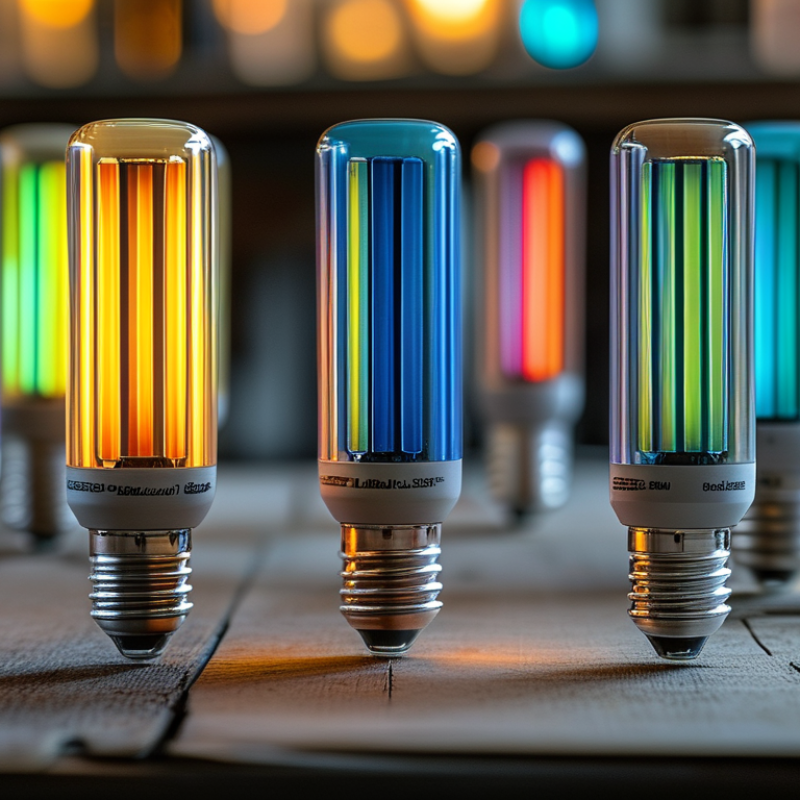
Understanding the Basics of LED Dimming Technology in 2026
Understanding the basics of LED dimming technology is crucial in 2026. LED lights offer numerous advantages, including energy efficiency and long life. However, dimming them effectively involves understanding specific techniques. The two main types of dimming are PWM (Pulse Width Modulation) and analog dimming. PWM adjusts the brightness by switching the LED on and off rapidly. This method is efficient but may create a flicker at lower settings. Analog dimming involves altering the voltage or current. It provides smoother dimming, but not all LED bulbs support this method.
When dimming LED lights, consider compatibility. Not every LED bulb is designed to be dimmed. Using incompatible dimmers can lead to flickering or buzzing. It’s essential to check the specifications before making changes. Also, remember to adjust your dimmer settings slowly. Abrupt changes can affect the bulb's longevity.
Tips for effective dimming include testing different dimmers before making a final choice. Experiment with various brands to see which one works best. If you notice any undesirable effects, rethink your setup. Continuous improvement is key when dealing with new technologies. Always keep an eye on advancements in dimming technology. Understanding these can enhance your lighting experience significantly.
Key Methods for Dimming LED Lights: PWM vs. Analog Dimming Techniques
When it comes to dimming LED lights, two primary methods stand out: PWM (Pulse Width Modulation) and analog dimming techniques. PWM is favored for its efficiency and precision. It allows users to control brightness by rapidly turning the light on and off. This method maintains color quality and reduces energy consumption. It's particularly useful in applications like stage lighting or home theaters, where precise dimming is crucial.
On the other hand, analog dimming involves lowering the voltage supply to the LED. This method is simpler, but it poses challenges. It can lead to color shifts and reduced lifespan of the LEDs. Users might notice flickering or uneven lighting. These issues often push consumers to explore PWM options instead. Understanding the strengths and weaknesses of each technique is essential for selecting the right dimming method.
Experimentation can lead to surprising results. Some users blend these techniques for unique lighting effects. This approach is not without its pitfalls, as it may create unexpected outputs. Balancing effectiveness and simplicity is key. Each technique offers distinct benefits and drawbacks that should be carefully considered based on the specific application.
LED Dimming Techniques Comparison (2026)
Impact of Dimming on LED Lifespan and Energy Efficiency in 2026
Dimming LED lights can significantly impact both lifespan and energy efficiency. A properly dimmed LED light not only saves energy but also extends its lifespan. Research shows that lower brightness levels can lead to a longer operational period compared to lights running at full intensity. This is because heat generation is reduced, which can enhance the performance of the LED circuitry.
Understanding the relationship between dimming and LED performance is crucial. Many users may underestimate how effective dimming can be. When you lower the brightness, you might see an energy saving of up to 50%. However, not all dimmers are compatible with every LED fixture. Poorly matched dimmers can cause flickering or shorten the lifespan of the bulbs. Always check compatibility to ensure optimal performance.
Some may hesitate to dim due to potential color shifts. While many modern bulbs maintain consistent color temperature when dimmed, some older models may display unwanted changes. This inconsistency can affect mood and ambiance, making careful selection essential. Experimenting with different settings allows users to find the right balance. In 2026, understanding this technology will be key for eco-conscious consumers.
Choosing the Right Dimming System for Your LED Lighting Needs
When it comes to selecting a dimming system for LED lights, the choices can be overwhelming. Different types of dimming technologies exist, and each has its unique advantages. The primary options include forward-phase dimming, reverse-phase dimming, and 0-10V dimming. Each method works differently and suits various needs.
Consider what ambiance you want to create. Dimming can enhance mood, but not all systems dim smoothly. Some may flicker or change colors. This can be frustrating, especially in settings like homes or offices where lighting plays a vital role. Ensure compatibility between your LED bulbs and the chosen dimming system to avoid unexpected problems.
Tips: Try before you buy. Test the dimmer with your LEDs to see how they interact. Additionally, read reviews or seek advice from lighting professionals. They can provide insights that you might overlook. Lighting design can be subjective, so don't hesitate to tweak your approach until you find what works for you. Remember, achieving the right illumination is often a process of trial and error.
How to Dim LED Lights Effectively in 2026? - Choosing the Right Dimming System for Your LED Lighting Needs
| Dimming Technology |
Compatibility with LED |
Dimming Range |
Installation Ease |
Cost |
| Phase-cut Dimming |
Highly compatible |
0%-100% |
Moderate |
$15 - $50 |
| 0-10V Dimming |
Very compatible |
1%-100% |
Complex |
$20 - $70 |
| PWM Dimming |
Compatible with most |
5%-100% |
Requires expertise |
$30 - $100 |
| Smart Dimming |
Usually compatible |
0%-100% |
Easy |
$45 - $200 |
Innovative Products and Trends in LED Dimming Solutions for 2026
As we move into 2026, LED dimming solutions are evolving rapidly. Innovative technology aims to enhance user experiences while maximizing energy efficiency. Many new dimming products now feature wireless connectivity. This allows for seamless integration with smart home systems. The user can adjust brightness levels from their devices, adding convenience to daily life.
Current trends highlight the importance of customization. Users increasingly prefer adaptable LED settings that match their moods. For example, some systems offer presets for different activities, such as reading or watching movies. However, implementing these systems can raise questions about compatibility. Not all existing fixtures support advanced dimming features, leading to potential frustration.
Additionally, energy-saving remains a priority. The latest dimmers are designed to minimize power usage. Yet, some users report issues with flickering at lower brightness levels. This inconsistency indicates that while technology improves, there are areas needing refinement. Understanding these challenges ensures that both consumers and manufacturers can strive for better solutions in LED dimming.
FAQS
: The two main types are PWM and analog dimming. PWM adjusts brightness by rapid switching. Analog alters voltage or current.
No, not all LED bulbs support dimming. Check specifications before making changes to avoid flickering or buzzing.
Dimming can save up to 50% energy. Lower brightness reduces heat, extending the LED lifespan and enhancing performance.
Test different dimmers and brands. Take note of any undesirable effects. Continuous improvement is essential for better results.
Yes, older models may show color shifts when dimmed. Newer bulbs generally maintain consistent color temperature. Careful selection matters.
Innovations include wireless connectivity and customizable settings. Users want adaptable brightness for different activities. Compatibility remains a concern.
Some worry about flickering or color shifts. Compatibility issues with older fixtures can lead to frustration. Reflection on setup is needed.
Abrupt changes in dimmer settings can shorten a bulb's lifespan. Slow adjustments are recommended for better durability. Always monitor performance.
Conclusion
In 2026, understanding LED dimming technology is essential for optimizing lighting systems. Key methods for dimming include Pulse Width Modulation (PWM) and analog dimming techniques, each offering unique advantages depending on the application. A significant consideration when exploring how to dim LED lights effectively is the impact of dimming on lifespan and energy efficiency. Properly implemented dimming can not only enhance the ambiance but also extend the longevity of LED fixtures while conserving energy.
When deciding on a dimming system, it is crucial to evaluate your specific lighting needs. Innovative products and trends in LED dimming solutions are emerging, further simplifying user experiences and improving performance. As you explore the possibilities, you may wonder, "can LED lights be dimmed?" The answer is affirmative, with numerous technologies and methods available to meet diverse requirements in both residential and commercial settings.

 VELORIQ Lighting